San Diego Home Builder: Trusted Custom Home Construction Experts for Property Investors
House Renovation Made Simple: A Comprehensive Guide for Homeowners
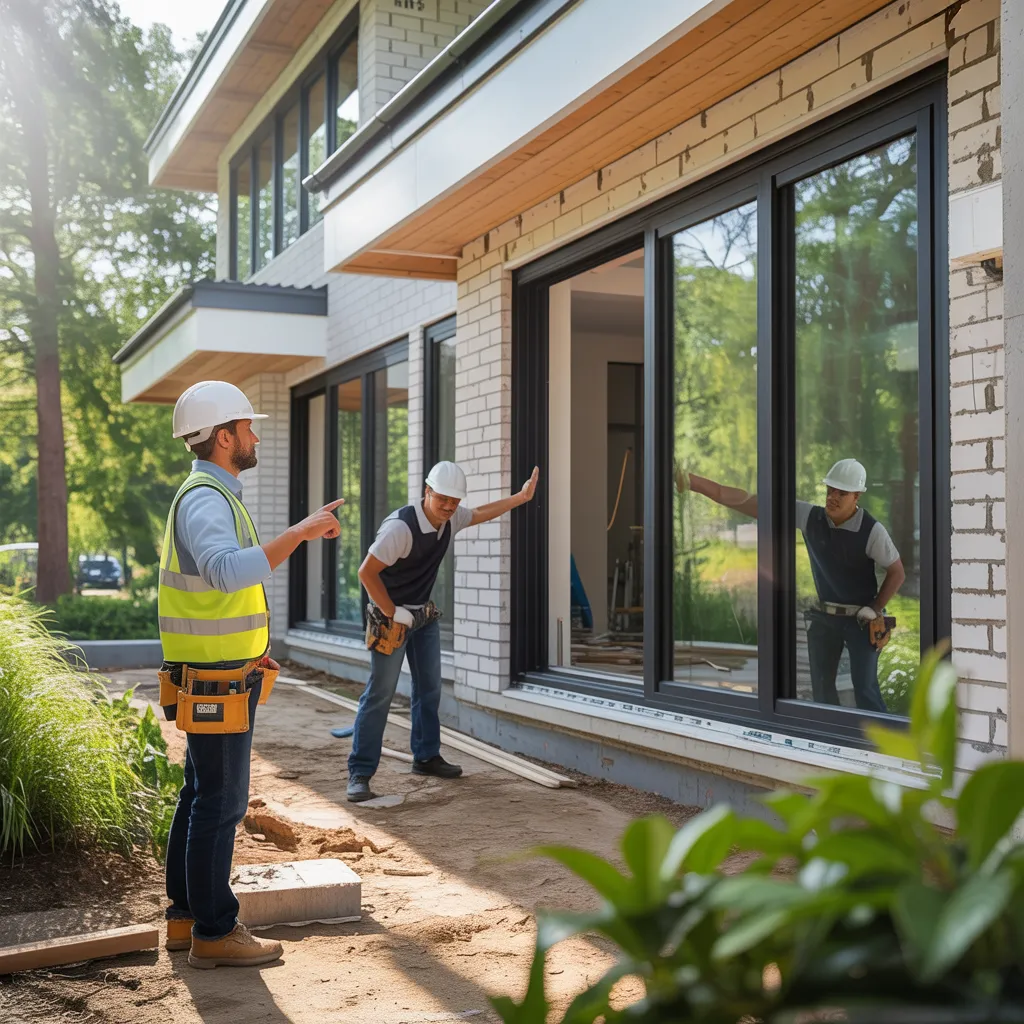
Home remodeling can be an challenging task for many homeowners. Recognizing one's requirements and setting realistic goals is vital. An organized approach can make the process easier and more effective. This guide offers helpful insights into financial planning, design, and selecting the right supplies. Property owners may find themselves contemplating the best strategies for addressing these obstacles. What essential steps should they consider to ensure a successful update of their homes?
Analyzing Your Needs and Goals
When assessing their objectives and aspirations for home remodeling, homeowners often question where to start. The first step includes a thorough evaluation of their current living situation and intended results. Homeowners should consider particular spaces that need updating, such as aging kitchen spaces, insufficient storage, or cramped living areas. Identifying these issues can help prioritize projects based on urgency and necessity.
Moreover, homeowners should reflect on their long-term goals. Are they endeavoring to enhance comfort, strengthen property value, or create a more functional space for family gatherings? Understanding these intentions will determine the remodeling process and guarantee that the completed project aligns with their perspective.
In addition, gathering input from family members can be beneficial, as different perspectives may bring to light additional requirements or preferences. By taking effort to evaluate their objectives and requirements, homeowners can lay a strong base for a thriving remodeling project.
Developing a Attainable Budget
Creating a realistic budget is essential for a prosperous remodeling project. Homeowners should commence by assessing project costs, factoring in materials, labor, and stylistic choices. Additionally, reserving contingency funds can assist handle unexpected expenses that may arise during the remodeling process.
Estimate Work Expenses
A comprehensive grasp of remodeling expenses is crucial for homeowners beginning a renovation project. To accurately estimate costs, they should consider elements including supplies, labor, licenses, and unexpected problems. Investigating regional pricing for materials and engaging professionals can offer a clearer financial picture. Homeowners should also account for the scope and intricacy of the undertaking, as these elements considerably influence costs. Creating a detailed list of required materials and services will help in compiling quotes. It is advisable to seek multiple quotes from builders to ensure favorable rates. By establishing a clear estimate
Designate contingency funds for unanticipated spending
Determining project costs creates the basis for sound budgeting, but property owners must also take into account unexpected expenses that may occur during a remodeling project. A common recommendation is to set aside a contingency fund, typically ranging from 10% to 20% of the overall budget. This assignment serves as a monetary cushion, allowing property owners to address unexpected problems such as structural repairs or material price increases without disrupting the entire project. By planning for these possible expenses in beforehand, homeowners can maintain greater control over their money and decrease anxiety throughout the remodeling process. Ultimately, a well-prepared budget that includes reserve allocations improves the probability of a prosperous and gratifying remodeling outcome.
Planning Your Area
How can dwellers proficiently organize their room to mirror their distinctive character while maximizing functionality? To achieve this, they should start by evaluating their expectations and habits. Understanding how each room will be occupied shapes the overall layout and traffic pattern. Homeowners might contemplate establishing zones for different activities, confirming that busy zones remain open and accessible.
Incorporating elements that showcase personal taste, such as color schemes, furniture choices, and design elements, allows for a unique expression without compromising practicality. Additionally, utilizing multifunctional furniture can improve spatial optimization, especially in smaller areas.
Natural light functions as another vital feature; optimizing natural windows or incorporating mirrors as reflective elements can produce a more charming ambiance. To wrap up, homeowners ought to address proportion and scale, verifying that decor items work harmoniously with the space's proportions while preserving an orderly look. Via joining style with careful consideration, residents are able to shape a unified home setting adapted for their tastes.

Selecting the Right Material choices and Finishes
While selecting materials and finishes, property owners should emphasize both visual attractiveness and durability to guarantee their choices withstand the test of time. The selection process starts with comprehending the intended style of the space, as different substances can create distinct atmospheres. For example, natural wood can create warmth, while sleek metals may give a modern edge.
Property owners should also take into account the upkeep needs of each option. Some finishes may require more upkeep than others, influencing long-term satisfaction. Additionally, financial limitations are essential; selecting high-quality yet cost-effective options can lead to lasting value.
Sustainability is growing increasingly important, prompting many to choose eco-friendly materials that decrease environmental impact. Finally, homeowners should gather samples to envision how chosen materials will interact with lighting and existing elements in the space. This hands-on approach aids in making informed decisions that align with both personal style and practical needs.
Engaging the Ideal Specialists
When employing contractors for home renovation, homeowners must carefully assess their qualifications and experience to guarantee quality work. Additionally, reviewing price quotes from various service providers can help in determining budget-conscious choices. These steps are crucial in locating appropriate skills for a successful remodeling project.
Assessing Qualifications and Experience
Engaging the right professionals for a home remodeling project requires careful evaluation of their credentials and expertise. Property owners should begin by verifying credentials, ensuring that contractors possess the necessary permits and certifications pertinent to the project. Additionally, reviewing a portfolio of previous work can offer understanding into a professional's style and level of craftsmanship. It is also beneficial to seek testimonials from past clients to gauge contentment and dependability. Expertise in specific kinds of renovation, such as kitchen or bathroom remodels, can be vital; experts often have the refined abilities needed for complex tasks. Finally, a thorough evaluation of credentials and experience will help property related information owners choose professionals who can effectively implement their plan while conforming to professional standards.
Contrasting Cost Estimates Competently
Evaluating cost estimates is an important phase in the selection procedure for residential renovation projects. Homeowners should gather estimates from several contractors to ensure a comprehensive comparison. Each estimate should detail labor, materials, and any extra fees, allowing for an accurate side-by-side analysis. It is essential to evaluate not only the total cost but also the scope of work included in each estimate. Homeowners must be cautious about markedly low bids, as they may indicate inadequate quality or hidden costs. Participating in conversations with contractors about their estimates can offer insights into their reasoning and openness. Ultimately, selecting a contractor should weigh cost and the value of quality workmanship, fostering a prosperous renovation outcome.
Mastering the Reconstruction Framework
Although the remodeling process can seem daunting, homeowners can manage it effectively by following a few vital steps. First, they should create a clear vision of their undertaking, outlining intended results and particular elements. Subsequently, creating a practical financial plan is essential, taking into account materials, labor, and unexpected costs. Investigating and selecting reliable professionals can also make a substantial impact; homeowners should obtain recommendations and check reviews before taking a choice.
Once a contractor is selected, strong dialogue is essential. Homeowners should discuss timelines, project scope, and any concerns upfront to avoid misunderstandings. During the remodeling phase, regular check-ins with the contractor will help ensure that the project stays on track and adheres to the agreed-upon plan. Finally, being adaptable to changes, whether due to unexpected issues or new ideas, can enhance the overall experience, leading to a successful and satisfying remodeling outcome.
Often Asked Inquiries
What Timeframe Can You Expect for a Standard Home Remodeling Project?
A conventional home remodeling endeavor normally takes anywhere from a few weeks to several months, contingent on the breadth of work, home footprint, and any unforeseen hindrances that may happen during the completion.
Which Licenses Are Necessary for Home Remodeling?
Home remodeling typically requires multiple licensing approvals, such as building, electrical, plumbing, and zoning permits. The specific requirements are determined by local regulations and the project's scope, guaranteeing adherence to safety and construction standards during renovations.
How Do I Keep Disruptions to a Low Level During Remodeling?
To decrease disturbances during remodeling, one should create a detailed timeline, communicate with builders, designate defined work spaces, and inform family members about timelines. This organization aids preserve routine and lowers tension throughout the project.
How Should I React if I Surpass My Financial Limit?
If a budget is overrun, he should assess the reasons, focus on essential modifications, and explore potential cost-saving measures. Open communication with contractors and looking for substitute materials can also help realign finances with project goals.
How Do I Verify Quality Work Standards?
To guarantee top-notch workmanship, it is important to research and hire reliable contractors, check references, review past projects, and set up clear communication concerning expectations, timelines, and materials. Consistently tracking progress also supports maintaining high standards throughout the project.